A personalised storybook is a children’s book printed for one particular child, with their name written into the story and often a character who looks like them. There are four main types: name-only, avatar, photo-likeness and photo-insert books. Each copy is printed on demand, so in the UK it usually arrives within one to two weeks.
What exactly is a personalised storybook?
A personalised storybook is a book written and illustrated in advance with places left for one child’s details, then printed as a single copy for that child. An ordinary picture book is printed in thousands of identical copies; a personalised one is assembled and printed one at a time. When you order, you enter details such as the child’s first name, age and sometimes a photo or a dedication, and those details appear on the pages.
The idea is not new. Early mail-order personalised books printed a child’s name and town into a fixed story. Digital printing, and more recently digital illustration, made it practical to change the pictures too, so today the child can appear as a recognisable character rather than just a name.
What are the main types of personalised book?
There are four, and the difference is mainly how the child appears in the pictures.
| Type | What changes | How the child looks | Best for |
|---|---|---|---|
| Name-only | The name in the text and cover | A generic child or an animal hero | Quick, simpler gifts |
| Avatar | Name plus chosen skin tone, hair, glasses and clothes | A cartoon “version” built from preset options | When you can’t use a photo |
| Photo likeness | Name plus a character drawn from a photo | An illustrated character who resembles them, in the book’s art style | The strongest “That’s me!” moment |
| Photo insert | Name plus the real photo placed into the pages | Their actual photo on illustrated backgrounds | Photo-album style keepsakes |
We explain each method step by step in how personalised books are made.
Do personalised books help children learn?
The evidence is small but positive: personalisation seems to increase young children’s attention and talk, and possibly word learning. Researchers Natalia Kucirkova, Dave Messer and Kieron Sheehy found that 18 preschoolers (average age 3 years 10 months) learned new words better from the personalised sections of a picture book than from the non-personalised sections. A related study by the same team found three-year-olds talked more when sharing personalised books. A 2017 National Literacy Trust review notes that personalisation can help children’s engagement and confidence, but that there is little research yet on longer-term literacy outcomes. So: a good reason to enjoy them, not a miracle.
Why do children love them?
- Recognition. Young children are fascinated by their own name and face. Spotting themselves on the page is thrilling.
- Ownership. “My book” tends to be picked more often than “a book”.
- Imagination. Being the hero invites them to picture themselves being brave, kind or curious.
- Keepsake value. A dedication and their younger face make it something families keep.
What should you look for in a personalised storybook?
Judge the story first and the personalisation second. Then check how the book is made and what happens to your information.
- A good story. Personalisation can’t rescue a weak story. Read sample pages.
- A preview before paying. You should see the personalised character or pages.
- Human checking. Someone should check every page before it prints.
- Print quality. Thick paper, full colour, and a size that suits reading together.
- Clear privacy. If you upload a photo, the company should say who processes it and when it is deleted.
- Honest delivery times. Especially before Eid or birthdays.
Who are personalised books for?
| Age | What they enjoy | Look for |
|---|---|---|
| 2–4 | Finding themselves in the pictures | Big, clear illustrations; short text |
| 5–7 | Following the story and reading their own name | A real plot with a beginning, middle and end |
| 8–9 | The story and the keepsake | Enough depth to reread; themes they can discuss |
| Gift-givers | Giving something no one else will | Reliable delivery dates and a dedication page |
Wondering whether one is worth the money compared with a regular book? See are personalised books worth it?
Are there personalised storybooks with faith?
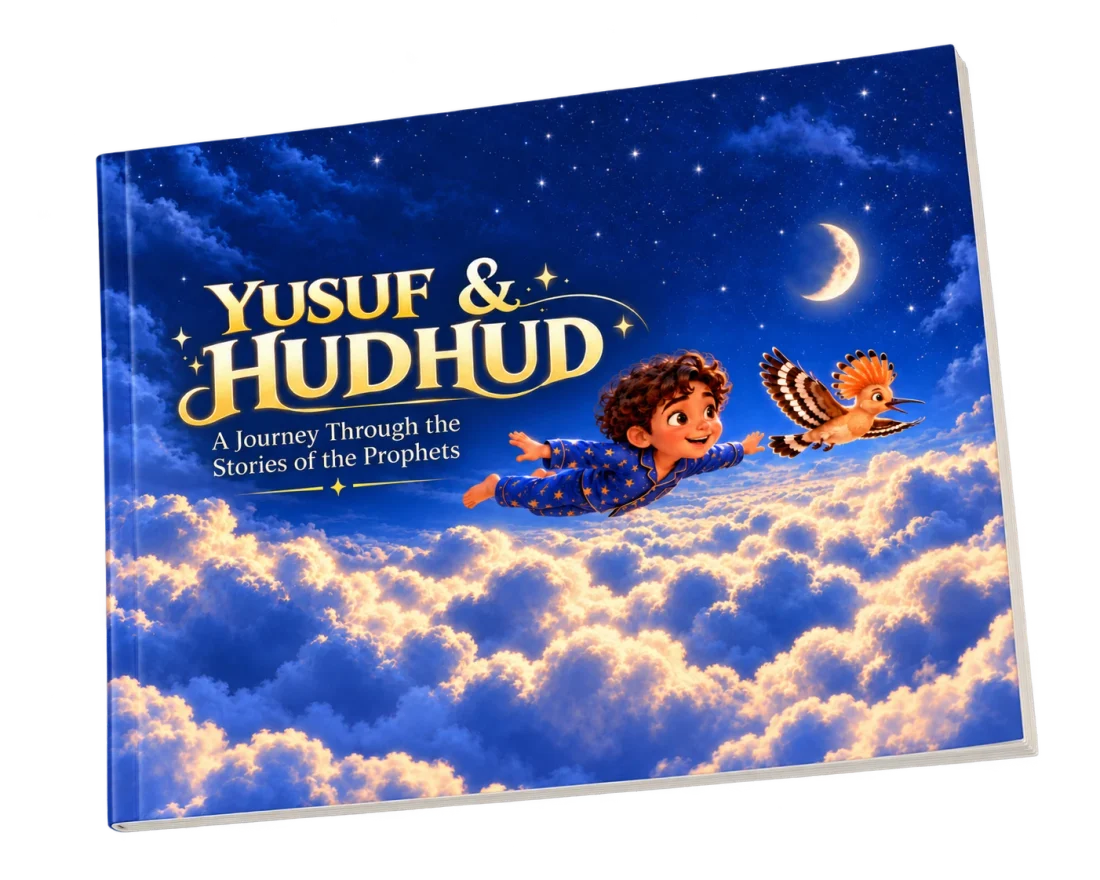
Yes. Most personalised books are general adventures, but some carry a family’s faith and values. Hudhud, a UK personalised Islamic storybook, puts the child’s name and a likeness drawn from one photo into the stories of five Prophets: Nuh, Ibrahim, Musa, Isa and Muhammad (peace be upon them), told as a night-time journey with a talking hoopoe. Read more in personalised Islamic storybook.
Common misconceptions
- “They’re just a name swapped in.” Some are, but many now include a likeness, a dedication and a carefully written story.
- “They’re only for babies.” Children up to about nine enjoy them, especially if the story has depth.
- “They take months.” In the UK, most arrive within one to two weeks because they are printed on demand.
Sources and further reading
Frequently asked questions
What is a personalised storybook?
A children’s book printed for one particular child, with their name in the story and often a character that looks like them. It is printed to order rather than mass-produced.
What are the different types of personalised book?
Name-only books change the text; avatar books let you choose features from presets; photo-likeness books illustrate the child from a photo; and photo-insert books place the real photo onto illustrated pages.
How do personalised books make the child look like them?
Avatar books combine preset features such as hair and skin tone. Photo-likeness books, such as Hudhud, draw the child as an illustrated character from a photo you upload, and the best ones have a person check the result before printing.
Are personalised books good for children?
Small studies suggest they help: in one, preschoolers learned new words better from personalised pages, and children talk more when sharing personalised books. The story still matters most.
How long do personalised books take?
Usually one to two weeks in the UK, including printing and delivery. Hudhud’s free tracked Standard delivery takes roughly 7–9 working days; Express (+£4.99) arrives a few days sooner.
What age are personalised books for?
Most suit roughly ages 2–9. Hudhud’s order form offers age groups from under 3 to 9+, so the child is drawn at the right age.